
 US Dollars
6 Reasons Your Classic VW Wanders on the Highway
White-knuckling the wheel at 65? Constant little corrections, dreading crosswinds and semi trucks? That's not "how old cars are." A healthy air-cooled VW tracks straight — and this guide finds what yours is hiding. Five causes live in the front end. The sixth is behind you, and almost nobody checks it.
Before You Spend a Dime
We sell steering boxes and front ends for a living, and we'd still rather you check the free stuff first. Sometimes wander is nothing but loose hardware: the pitman arm nut, the tie rod jam nuts, the beam mounting bolts, and your wheel bearing adjustment. Put a torque wrench on all of it, set your tire pressures cold and identical side to side, and drive it.
If the wander is gone — great. You owe us nothing; go enjoy the car and tell a friend who we are. If it's still there, now you know it's real wear, and the six causes below will find it. (The exact torque values and sequence for every one of these fasteners are in the $9.95 handbook.)
Work the List in Order · Driveway Tools Only
Each cause tells you what it feels like, how to check it in minutes, and the fix that ends it. The first check that fails is usually your answer — but finish the list; wander often has two parents.
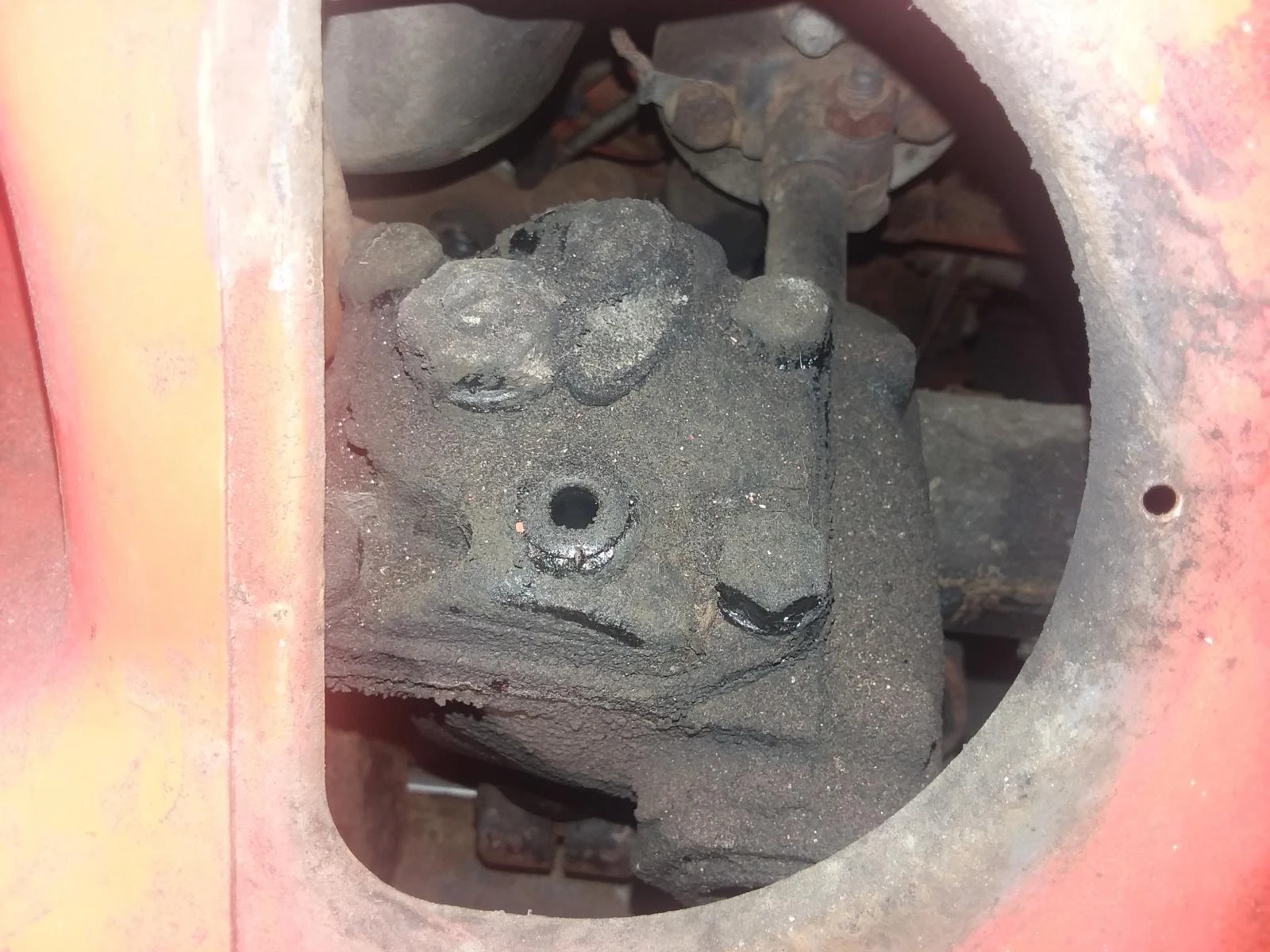
Sixty years of lash next to zero.
Worn Steering Box
The #1 cause, and the most ignored. Decades of wear open up lash between the worm and roller, and the box stops reporting what the wheels are doing — you steer, wait, then correct.
Check it: Engine off, front wheels straight. Rock the steering wheel gently side to side and watch the front tires. More than about an inch of wheel movement before the tires respond means the box is done. Cranking the lash screw on a worn box is a two-week fix at best — it tightens the worn center and binds the fresh ends.
The fix: If you can vouch for your box — a known-quality rebuild with history you trust — keep it and move down the list. If it's a 60-year-old unknown, replace it once with a PRObuilt HD steering box — rebuilt, shimmed and tested before it ships, backed for life, install guide included.
Exact lash check procedure and spec: in the handbook.
Worn King Pins & Link Pins (or Ball Joints)
On a link pin front end (Beetle/Ghia through '65, Bus through '67), worn king pins let the spindle wobble on its axis — the car hunts over every road seam. '66-and-later ball joint cars do the same trick when the joints wear.
Check it: Jack up the front, hands at 12 and 6 on the tire, rock it. Any clunk or visible movement at the spindle is wear. (Movement at 9 and 3 is more likely tie rods or wheel bearings — note which.)
The fix: This is the one worth doing as a system — a PRObuilt assembled beam arrives with fresh king/link pins, torsion arms and seals already set up, so you bolt on a front end instead of rebuilding one.
The 12-and-6 check, with what each kind of movement means: in the handbook.
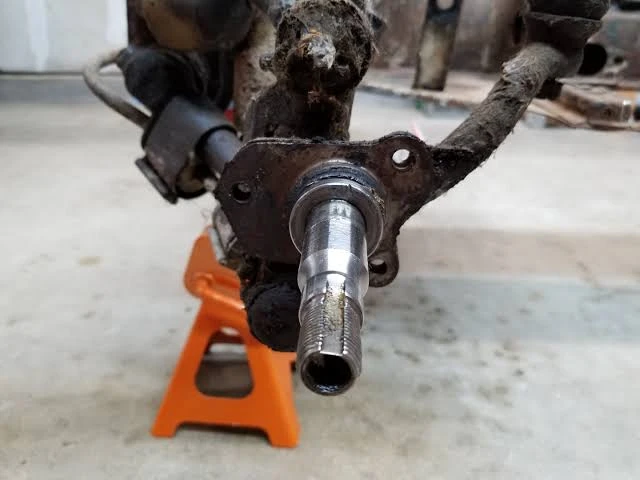
The five-minute check that finds worn pins.
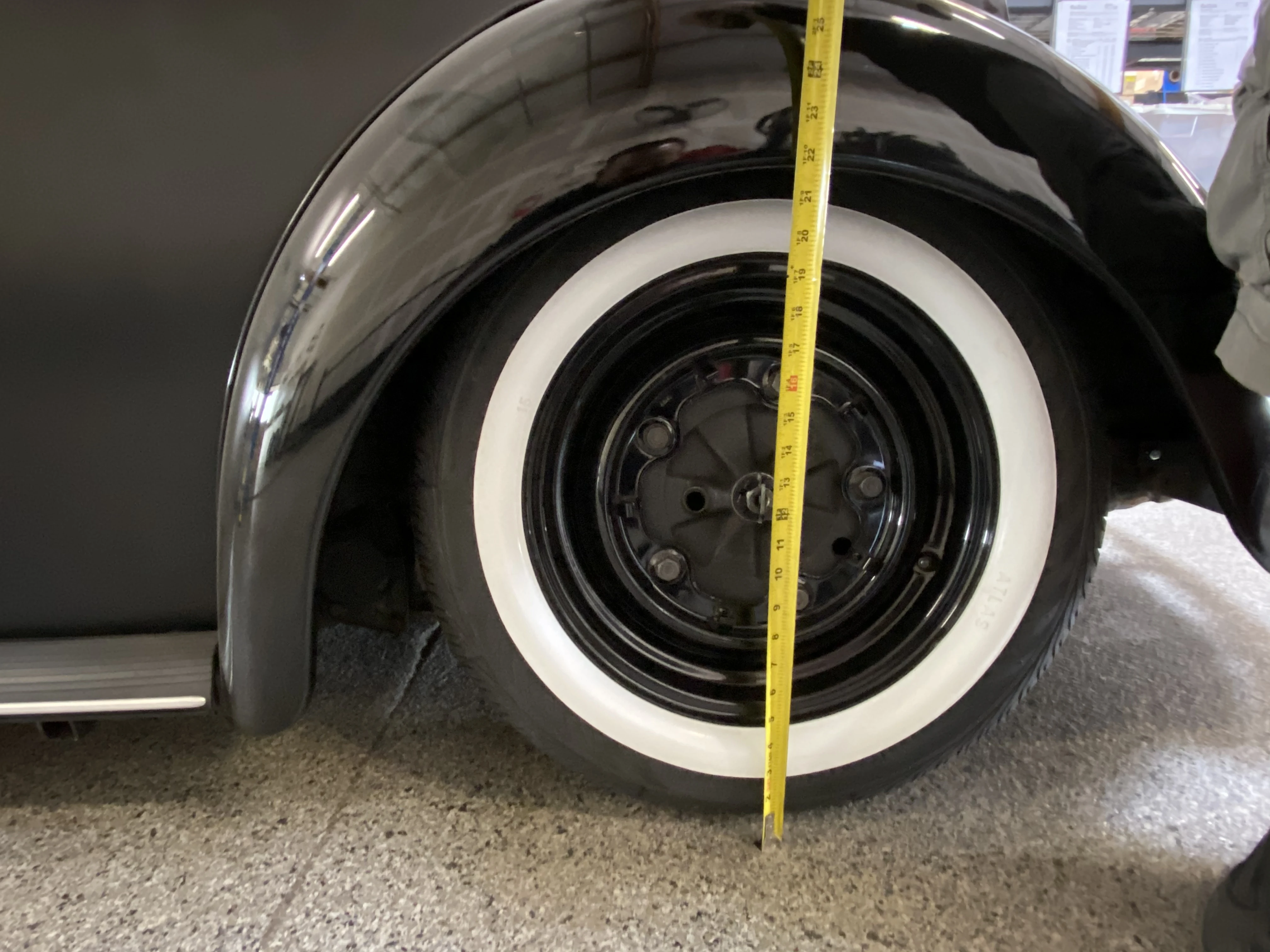
Lowered car, stock-height toe spec — the mismatch that makes it dart.
Toe Set Wrong — Especially After Lowering
Drop a VW and the tie rod geometry changes; the toe setting that was right at stock height is wrong at the new one. Even a stock-height car that's had front end work often never saw an alignment rack afterward.
Check it: If the car was lowered, had tie rods or a beam replaced, and never got aligned after — this is in play, period. Toe-out in particular makes a VW dart and wander.
The fix: An alignment with air-cooled-correct specs (slight toe-in).
Align AFTER fixing causes 1 and 2 — aligning worn parts is paying twice. The alignment specs for stock and lowered ride heights are in the handbook.
Dead (or Missing) Steering Damper
The damper is the shock absorber for your steering. When it's blown — or someone left it off during "restoration" — every bump steers the car a little, and crosswind correction becomes a conversation.
Check it: Unbolt one end and stroke it by hand. It should resist smoothly in both directions. If it strokes free or unevenly, it's done. If it's missing entirely, there's your answer.
The fix: A new damper — cheap insurance, fifteen-minute install. Included in our steering system kits.
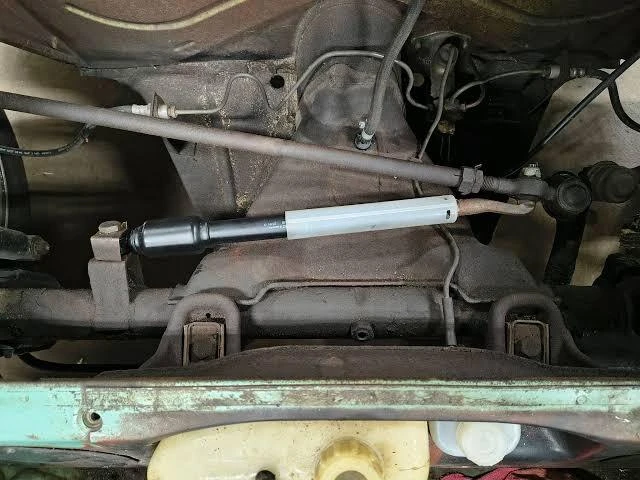
If it strokes like a pool noodle, it steers like one.
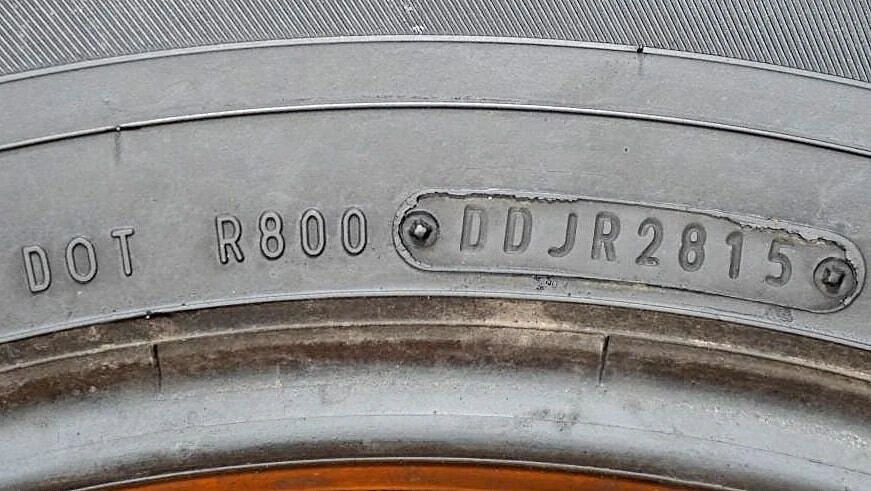
Tread lies; the date code doesn't.
Tires & Wheel Bearings
Old hard tires, mismatched pressures, or decades-old bias-plys will wander on a perfect front end. Loose front wheel bearings add a vague, floating feel on top.
Check it: Date-code the tires (over ~8 years old = suspect, whatever the tread looks like). Set pressures cold, side to side identical. With the front jacked, rock the tire at 9 and 3 — play that disappears when a helper holds the brake is bearings.
The fix: Fresh radials sized to your ride height, bearings adjusted to spec — and if you're shopping wheels anyway, get the combo validated before you buy.
Bearing adjustment procedure and pressures by tire size: in the handbook.
Your Rear Wheels Aren't Square to Your Fronts
Here's the industry's blind spot: nearly every classic VW that's ever seen an alignment rack got a front alignment only. But a rear end that's out of square steers the car from behind — the rear pushes slightly sideways, you correct with the wheel, and you call it wander. You can replace every part above and still have it.
On these cars it comes from worn spring plate bushings, a spring plate set one spline off during a past "restoration," or a bent trailing arm nobody noticed. The front end gets blamed for a crime the rear committed.
Check it: Two free tells. Going dead straight on an empty road, is your steering wheel centered? And on wet pavement, do your rear tire tracks straddle the fronts evenly, or does the car walk slightly crabwise? Either symptom says the rear is steering you.
The fix is a four-wheel (thrust) alignment — not another front-only one. The full string-and-measure procedure to check squareness in your own garage is in the handbook.
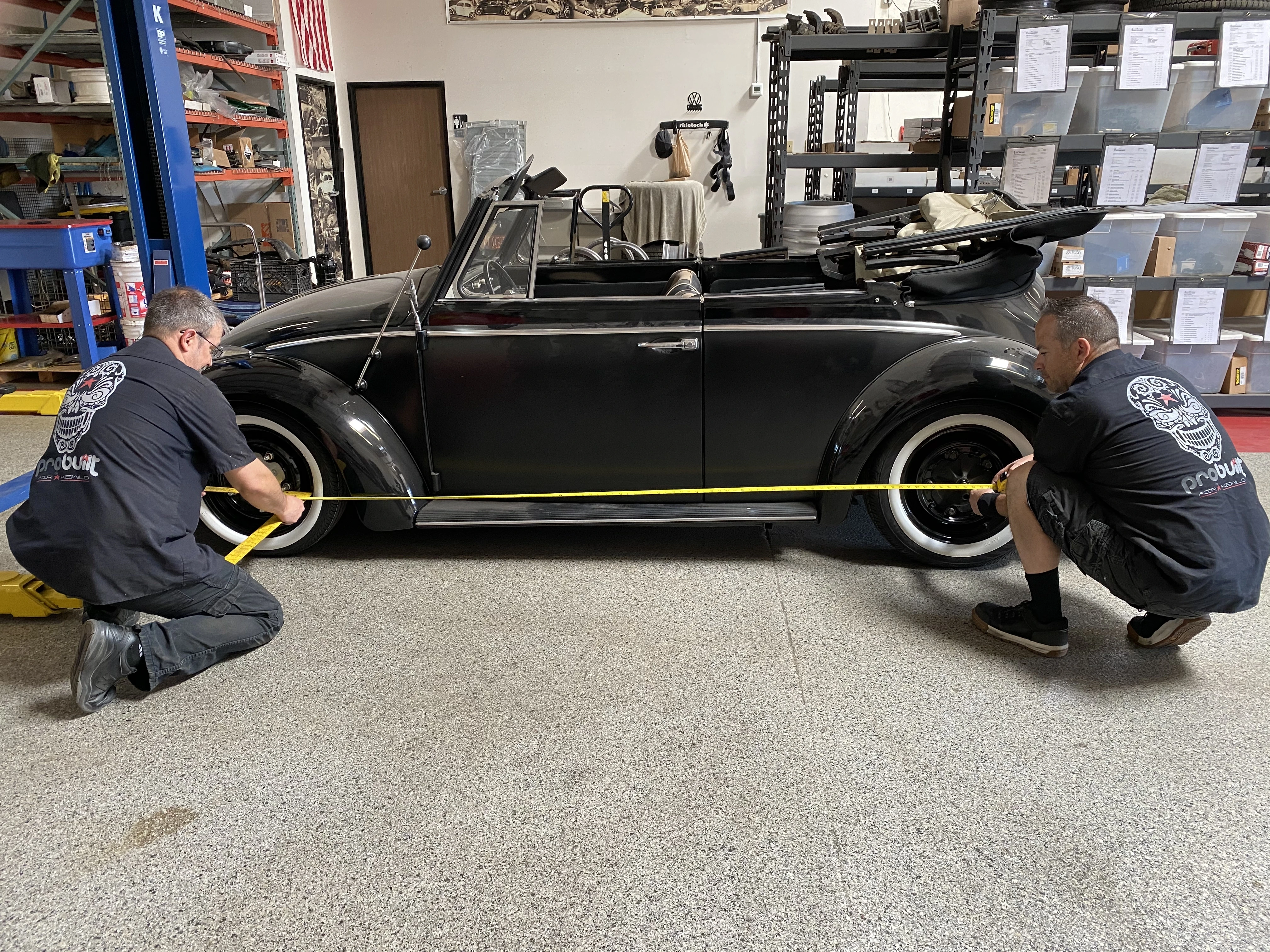
Squaring rear to front — the alignment most VWs never got.
Found Your Cause? Here's Your Next Move.
Three ways forward — pick the one that fits how you like to work.
Real Humans. Real Phones. Real VW People.
If your symptoms don't match any cause on this page, or two checks failed and you're not sure which to fix first — reach out. We pick up the phone. That's the Airkewld way.